The DeWalt 20V Max battery system is a popular choice for professionals and serious DIYers, offering a wide range of cordless power tools. Within this system, different amp-hour (Ah) ratings determine battery capacity and runtime. Two common options are the 5Ah and 2Ah batteries. Choosing between them involves understanding their trade-offs in terms of power, weight, size, and cost.
This comparison focuses on real-world performance, moving beyond marketing claims to help you decide which battery best suits your typical tasks. We’ll consider how these batteries impact tool ergonomics, overall workflow, and the types of jobs they’re best suited for. Consider a framing carpenter: a 5Ah battery might be essential for a full day’s work with a cordless nailer, while a 2Ah battery could be sufficient for lighter tasks or punch-list work.
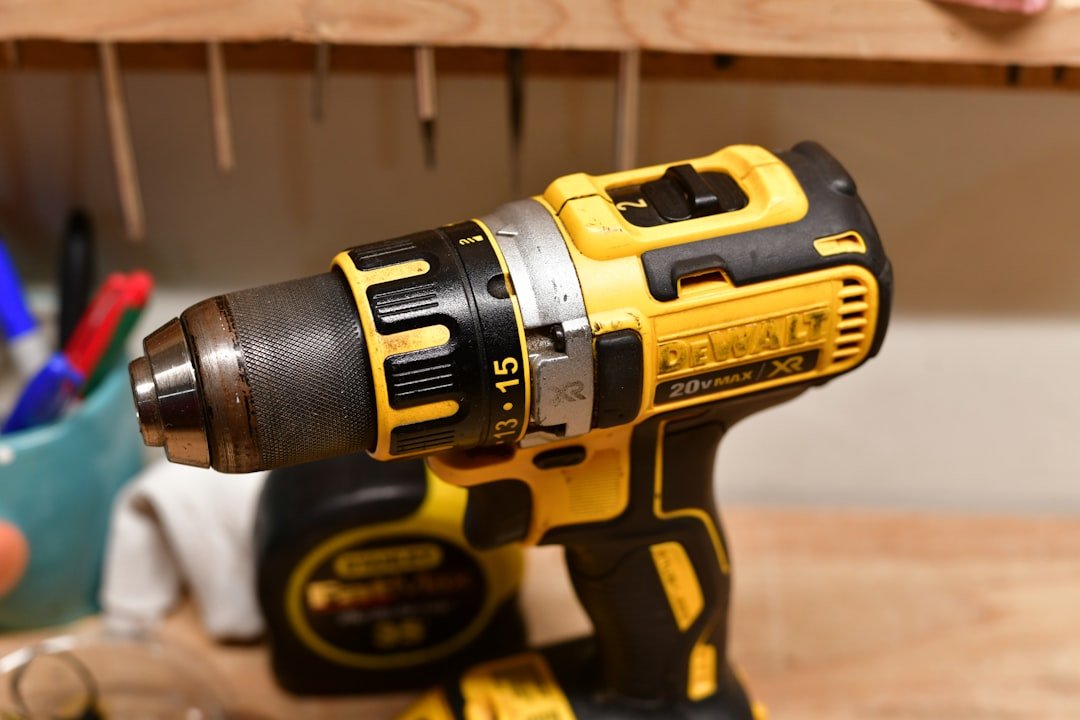
DeWalt 20V Max 5Ah and 2Ah: An Overview
The 2Ah battery is generally considered the standard, entry-level option in the DeWalt 20V Max line. It provides a good balance of power and weight, making it suitable for a wide range of lighter-duty tasks. The 5Ah battery, on the other hand, offers more than double the runtime, allowing for extended use on demanding applications.
Both batteries are compatible with all tools in the DeWalt 20V Max system. They both feature a fuel gauge indicator to show the remaining charge. The physical dimensions differ, with the 5Ah being noticeably larger and heavier.
Practical Performance: Runtime and Power
The primary difference between the 5Ah and 2Ah batteries is runtime. A 5Ah battery will, in theory, power a tool for 2.5 times longer than a 2Ah battery under the same load. However, this is a theoretical maximum. Real-world runtime depends heavily on the specific tool being used and the intensity of the application.
For example, when using a DeWalt 20V Max drill/driver, you might be able to drill significantly more holes or drive more screws with the 5Ah battery before needing to recharge. Similarly, with a circular saw, the 5Ah battery will allow for longer continuous cuts, especially in thicker materials. The 2Ah battery may struggle with prolonged high-amp draw applications.
It’s important to note that the voltage remains the same (20V Max) for both batteries. Therefore, the power output of the tool itself is not directly affected by the battery’s Ah rating. However, the 5Ah battery’s ability to sustain power delivery over a longer period can indirectly improve performance on demanding tasks.
Ergonomics and Usability
The size and weight difference between the 5Ah and 2Ah batteries significantly impacts tool ergonomics. The 2Ah battery is lighter and more compact, making tools easier to handle for extended periods, especially in overhead or awkward positions.
The 5Ah battery adds noticeable weight and bulk. While this isn’t a major issue for all applications, it can become fatiguing during prolonged use, particularly with heavier tools like angle grinders or rotary hammers. Consider the type of work you typically do and whether the added weight of the 5Ah battery would be a significant drawback.
Battery and Power Considerations
Both batteries utilize lithium-ion technology, which offers several advantages over older battery types, including longer lifespan, faster charging times, and no memory effect. DeWalt batteries also feature thermal management systems to protect against overheating, further extending their lifespan.
Charging times vary depending on the charger used. A standard charger will take longer to charge a 5Ah battery compared to a 2Ah battery. DeWalt also offers fast chargers that can significantly reduce charging times for both battery sizes.
Limitations and Trade-offs
The main trade-off between the 5Ah and 2Ah batteries is weight and cost versus runtime. The 5Ah battery offers significantly longer runtime but is heavier and more expensive. The 2Ah battery is lighter and more affordable but provides less runtime.
Another limitation is the potential for overspending. Purchasing multiple 5Ah batteries when a 2Ah battery would suffice for most tasks can be an unnecessary expense. Conversely, relying solely on 2Ah batteries for demanding applications can lead to frequent interruptions and reduced productivity.
Consider the specific tools you use most often and the types of tasks you perform. If you primarily use lightweight tools for occasional tasks, the 2Ah battery may be sufficient. If you rely on power tools for extended periods or demanding applications, the 5Ah battery is likely a better investment.
Conclusion
Choosing between the DeWalt 20V Max 5Ah and 2Ah batteries depends on your individual needs and priorities. The 2Ah battery offers a good balance of weight, size, and cost for lighter-duty tasks and occasional use. The 5Ah battery provides extended runtime and is better suited for demanding applications and frequent use, albeit at the cost of increased weight and price. Carefully consider your typical workflow and tool usage to make the most informed decision.
DeWalt 20V battery runtime and cost comparison calculator
Your tool settings
Price comparison
Runtime bar chart