The Ryobi 18V battery system, branded as ONE+, is a widely adopted platform powering a vast range of cordless tools, from drills and saws to lawn equipment and even some household appliances. This system offers users the convenience of using a single battery type across multiple tools, reducing the need for numerous chargers and battery types. It’s suitable for homeowners, DIY enthusiasts, and professionals who appreciate the flexibility and cost-effectiveness of a shared battery platform. Imagine a scenario where you’re building a deck; you can use the same Ryobi 18V battery to power your drill, circular saw, and even a work light, all without switching between different battery systems.
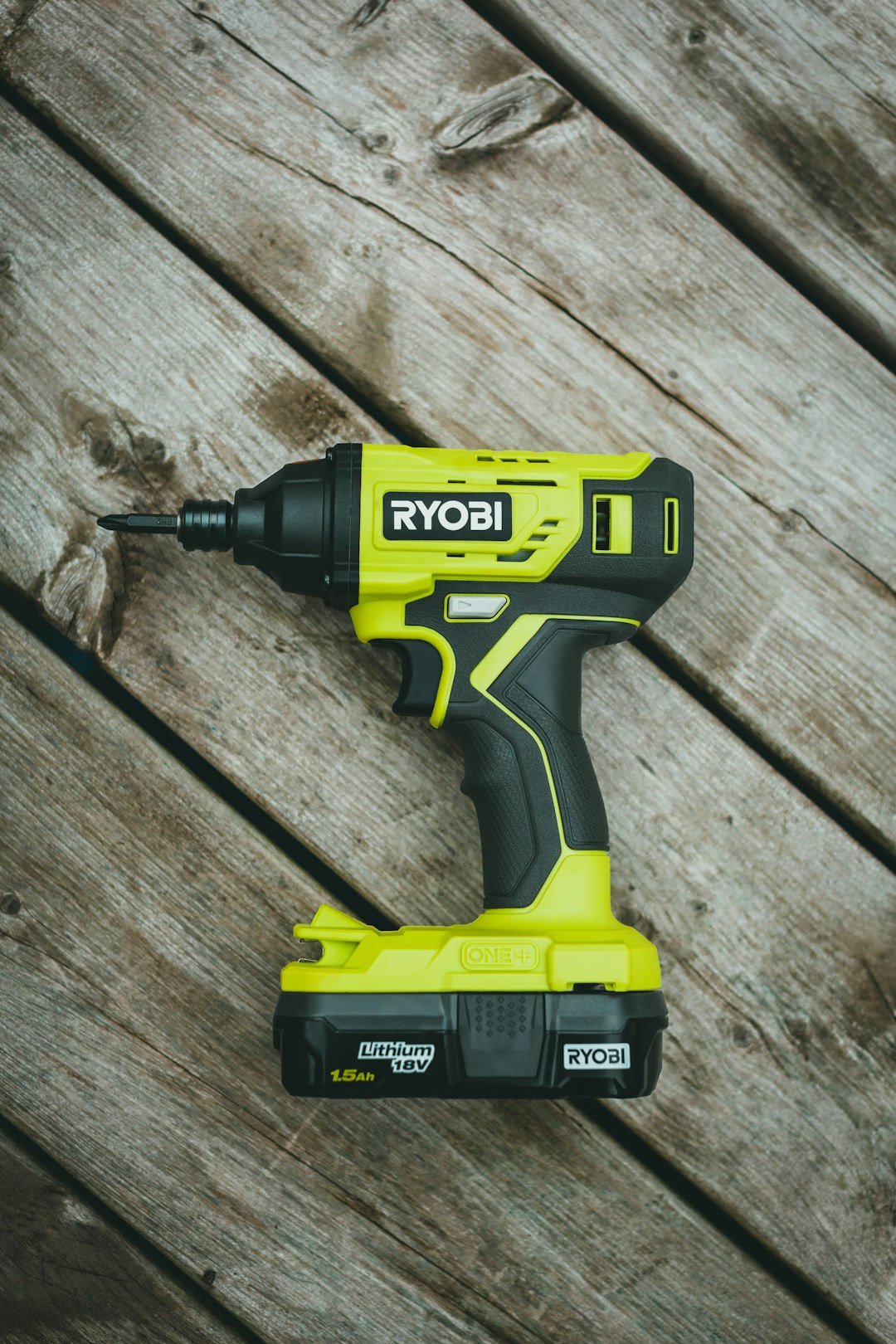
Ryobi 18V ONE+ Battery Overview
The Ryobi ONE+ system revolves around its 18V battery platform. These batteries are available in various Amp-hour (Ah) ratings, typically ranging from 1.5Ah to 9.0Ah or higher. The Ah rating indicates the battery’s capacity; a higher Ah rating generally translates to longer runtime. Ryobi batteries utilize lithium-ion technology, offering advantages such as lighter weight and improved energy density compared to older battery technologies like Ni-Cad.
Ryobi frequently updates its battery technology, introducing features like high-performance cells and improved thermal management. These advancements aim to enhance battery life, power output, and overall tool performance. However, older tools are generally compatible with newer batteries, and vice versa, providing a degree of backward compatibility.
Practical Performance and Runtime
The real-world runtime of a Ryobi 18V battery depends heavily on the tool being used and the task being performed. A high-demand tool like a circular saw will drain the battery much faster than a low-demand tool like a drill operating at low speed. Similarly, cutting thick lumber will deplete the battery quicker than driving small screws into softwood.
While Ryobi provides estimates of runtime, these should be taken as guidelines only. Factors such as the age of the battery, ambient temperature, and the user’s operating technique can all affect actual performance. For extended projects, having multiple batteries is advisable to minimize downtime.
Ergonomics and Usability
Ryobi 18V batteries are designed with ease of use in mind. They feature a simple slide-in mechanism for attaching to tools and chargers. Most batteries include a fuel gauge, allowing users to quickly check the remaining charge level. The batteries are also relatively lightweight, contributing to overall tool balance and reduced user fatigue.
However, larger capacity batteries (e.g., 6.0Ah or higher) can add noticeable weight to the tool, which may be a consideration for prolonged use or overhead applications. Consider the trade-off between runtime and weight when selecting a battery for a specific task.
[IMAGE_2]
Battery and Power Considerations
Ryobi offers different battery types within the 18V ONE+ system, including standard lithium-ion batteries and high-performance versions. High-performance batteries are designed to deliver more power to demanding tools, potentially improving cutting speed or drilling torque. These batteries often feature enhanced thermal management to prevent overheating during heavy use.
Battery Charging
Ryobi 18V batteries are charged using dedicated Ryobi chargers. Charging times vary depending on the battery capacity and the charger’s output. Rapid chargers are available, which can significantly reduce charging times compared to standard chargers. It’s important to use the correct charger for your battery to avoid damage or reduced battery life.
Limitations and Trade-offs
Despite its versatility, the Ryobi 18V system has limitations. While suitable for many DIY and homeowner tasks, it may not offer the same level of power or durability as higher-voltage professional-grade cordless systems. For demanding construction or industrial applications, other brands may be more appropriate.
Another limitation is the battery’s performance in extreme temperatures. Cold weather can significantly reduce battery capacity and runtime. Storing batteries in a cool, dry place is recommended to maximize their lifespan. Battery life will degrade over time, regardless of usage. Eventually, the battery will need to be replaced. The lifespan depends on factors like frequency of use, charging habits, and storage conditions.
Conclusion
The Ryobi 18V ONE+ system provides a practical and cost-effective solution for users seeking a versatile cordless tool platform. Its wide compatibility and range of battery options make it well-suited for homeowners, DIYers, and light-duty professional applications. While it may not match the performance of higher-end systems in demanding scenarios, its convenience and value proposition make it a popular choice for a wide range of tasks.
Ryobi 18V battery compatibility checker by tool model
Select your Ryobi tool